Why Specialized Referral Lines Exist Alongside 211
211 is built to be broad. It’s designed so that almost anyone, calling about almost anything, can get pointed somewhere useful. That breadth is its strength, but it’s also its limit. A general referral line has to keep a working knowledge of thousands of local resources across housing, food, utilities, healthcare, and more. No database, however well maintained, can hold the same depth on every single one of those topics that a dedicated organization holds on just one.
This is where situation-specific referral networks come in. They exist because certain populations and certain crises have enough specialized providers, enough particular red tape, and enough particular pitfalls that a single-purpose line can do a better job matching someone to the right door. A line that only handles calls about domestic violence shelters, for instance, will know which shelters have space tonight, which have pet accommodations, and which are equipped for someone with young children, in a way that a general operator fielding calls about everything from rental assistance to food pantries may not.
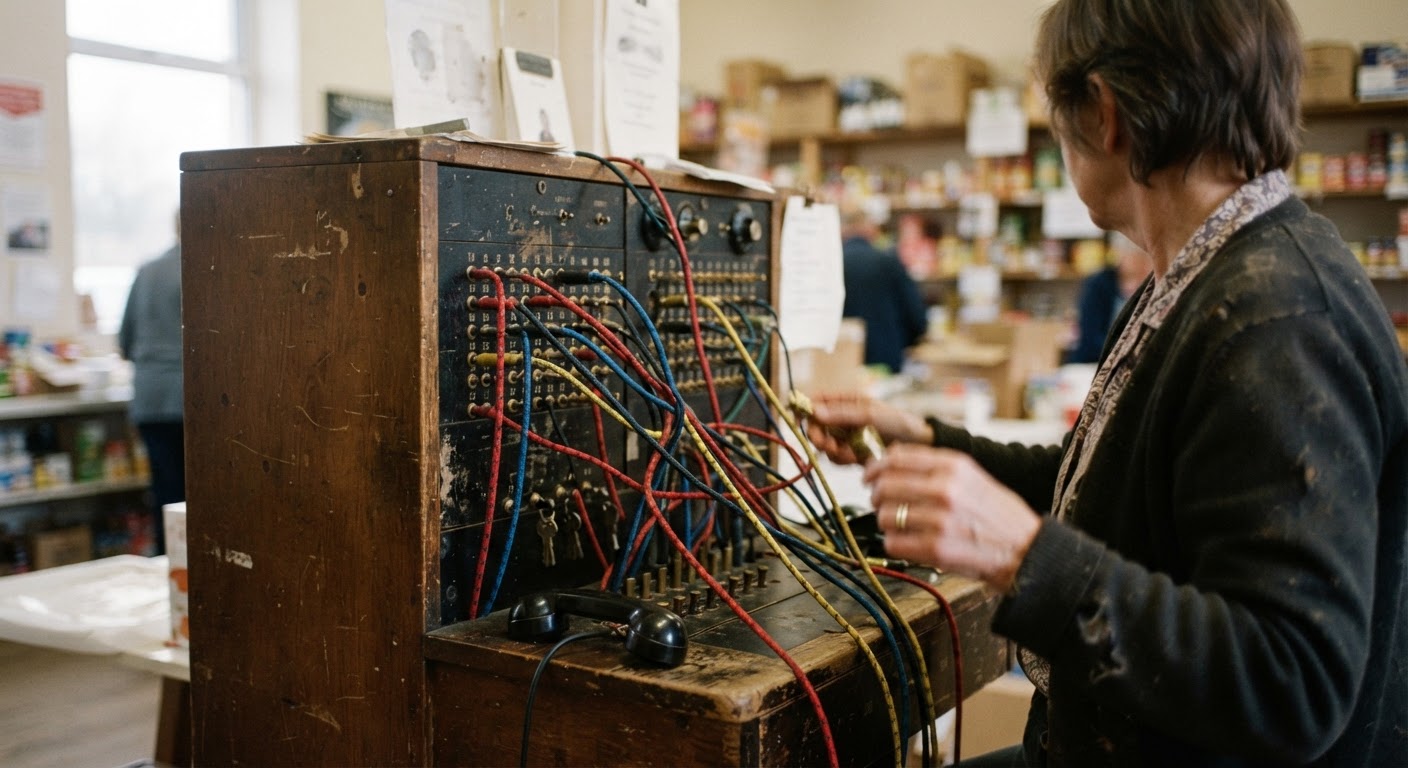
Think of it as the difference between a hospital’s general information desk and a specialty clinic’s front office. The information desk can tell you where the cardiology department is. The cardiology front office knows which cardiologist is taking new patients this week. Both are legitimate, useful, and necessary — they just operate at different levels of zoom.
Specialized lines also tend to exist because the population they serve needs a different kind of trust before they’ll even make the call. Someone fleeing violence, someone in the middle of a mental health crisis unrelated to immediate danger, or someone navigating a specific illness may not want to explain their entire situation to a general operator before finding out if help exists. A named, purpose-built line signals “we already understand your situation” before the conversation even starts, which lowers the barrier to actually picking up the phone.
Examples of Situation-Specific Referral Networks
The 211-style model has been adapted and specialized many times over. You won’t need most of these most of the time, but knowing they exist means you or someone you’re helping doesn’t have to discover them by accident during a crisis. A few categories worth having on your mental map:
- Domestic violence and safety-related lines. These networks maintain real-time knowledge of shelter bed availability, safety planning resources, and advocates who can help someone think through next steps. They’re built around confidentiality in a way general lines aren’t always structured for.
- Veteran-specific referral networks. Veterans and their families sometimes qualify for a layered mix of federal, state, and nonprofit resources that a general operator may not fully map. Veteran-focused referral lines and service organizations tend to know the nonprofit and community side of that landscape especially well — things like transitional housing programs, veteran-specific emergency funds, and peer support networks.
- Elder-focused referral and information lines. Area agencies on aging and affiliated nonprofit networks often run their own referral systems tuned to the needs of older adults — home modification programs, caregiver respite, transportation for medical appointments, and elder financial exploitation resources.
- Disability-specific referral networks. Centers for independent living and related nonprofit networks maintain knowledge of accessible housing, adaptive equipment loan programs, and personal care assistance that general lines may only know at a surface level.
- Faith-based and denominational aid networks. Many religious traditions maintain their own internal referral systems — a call to a local congregation or diocesan office can sometimes route to emergency funds, food pantries, or counseling resources that never show up in a public database because they’re distributed through congregational networks rather than public listings.
- Illness-specific and caregiving referral lines. Organizations built around a particular disease or condition often maintain referral networks connecting patients and caregivers to nonprofit grants for treatment-related travel, lodging, or household bills — support that’s easy to miss because it’s scattered across many small, disease-specific charities rather than centralized anywhere.
- Youth and runaway-specific lines. These are built for young people specifically, with an understanding of confidentiality, family dynamics, and safe shelter options that differs from adult-focused services.
- Legal aid intake and referral lines. While this piece isn’t the place to get into legal advice, it’s worth knowing that many regions have a nonprofit legal aid intake line separate from 211, which screens callers and routes them to the right legal services organization.
This list isn’t exhaustive, and availability varies enormously by region — some of these networks are national with local chapters, others are purely local and known mainly by word of mouth. The point isn’t to memorize all of them. It’s to recognize that if your situation has a name — veteran, elder, survivor of violence, caregiver, person with a disability — there’s a decent chance a referral network exists that specializes in exactly that name.
How to Decide Which Line Fits Your Situation
Deciding where to call first doesn’t require a diagnosis of your entire situation. A few practical questions can narrow it down quickly:
Does your situation have a category name?
If you can describe your situation with a label — veteran, domestic violence survivor, caregiver for someone with a specific illness, person with a disability, older adult — search for a referral network built around that label before defaulting to a general line. Specialized networks are usually easy to find once you know the category exists; a search for “[category] + helpline” or “[category] + referral” in your region will often surface one.
Is safety or immediate risk part of the picture?
If there’s any element of physical danger, a specialized safety-focused line will generally have faster, more specific answers than a general referral line, because that’s the entire focus of their work. This is different from an emergency, which always calls for emergency services first — the specialized line is for the ongoing safety planning and shelter piece that comes after any immediate danger is addressed.
Is your issue actually several issues at once?
Many real situations don’t fit neatly into one category. Someone might be an older veteran with a disability who is also facing eviction. In cases like this, a general 211-style line is often the better starting point, precisely because it’s built to triage multiple issues at once and can route you to more than one specialized network if needed. Specialized lines are excellent once you know which specialty applies — but if you’re not sure, general is often the safer first call.
Do you need speed or do you need depth?
General lines are usually built for volume and speed — quick triage, quick handoff. Specialized lines often have longer conversations, because the person answering the phone is trained to ask the follow-up questions that matter for that specific situation. If your issue is straightforward and you just need a phone number, general is fine. If your issue is layered and you’ll benefit from someone who already knows the terrain, specialized is worth the extra time.
Would a faith-based or community route feel more comfortable?
Some people simply feel more at ease going through a congregation, a cultural community organization, or a mutual aid network than through any formal hotline, general or specialized. That comfort matters and shouldn’t be dismissed — a resource you’re comfortable calling is more useful than a technically superior resource you avoid.
When in doubt, it’s not a failure to call the wrong line first. Every referral network, general or specialized, expects to redirect callers sometimes. The worst outcome is not calling at all because you weren’t sure which door to knock on.
How These Networks Share Information With Each Other
One thing that surprises people is that these networks aren’t isolated islands. There’s a fair amount of behind-the-scenes connective tissue between general and specialized referral systems, even though it’s rarely visible to the person making the call.
Many regions maintain shared or overlapping resource databases. A community action agency, a 211 affiliate, and a specialized nonprofit hotline in the same region might all draw from — or contribute to — the same underlying directory of local providers, even though each organization presents that information through its own phone line and its own screening process. This means that calling one line doesn’t necessarily mean you’re missing what another line knows; a lot of the underlying data overlaps.
Warm handoffs are also common practice. Instead of simply giving you a phone number and wishing you luck, a well-run referral line — general or specialized — will often make the connection for you: staying on the line while they call the other organization, or sending a direct referral so you’re not starting from scratch when you call the next number. This is worth explicitly asking for if it isn’t offered: “Can you connect me directly, rather than just giving me a number?” Not every line can do this for every referral, but many can, and it saves the caller from repeating their entire story from the beginning at every stop.
Caseworkers, chaplains, and volunteers who work across these systems regularly are often the ones who know which lines do warm handoffs well and which don’t — informal knowledge that doesn’t show up in any directory but gets passed along person to person.
Local and regional coalitions of service providers also meet periodically — sometimes formally, sometimes informally — specifically to keep their referral information synced up. A domestic violence network and a general 211 affiliate in the same city are likely to know about each other, refer to each other regularly, and in many cases have staff who’ve met and built a working relationship. The system is more of a loose, overlapping web than a single hierarchy, but it is a system, and it tends to function better than any single line’s directory would suggest on its own.
The practical takeaway is this: no single call is ever really a dead end, even if the first line you reach can’t fully help. A good referral line, whether general or specialized, usually knows who else to call — and increasingly, they’re set up to make that next connection for you rather than leaving you to start over on your own.